
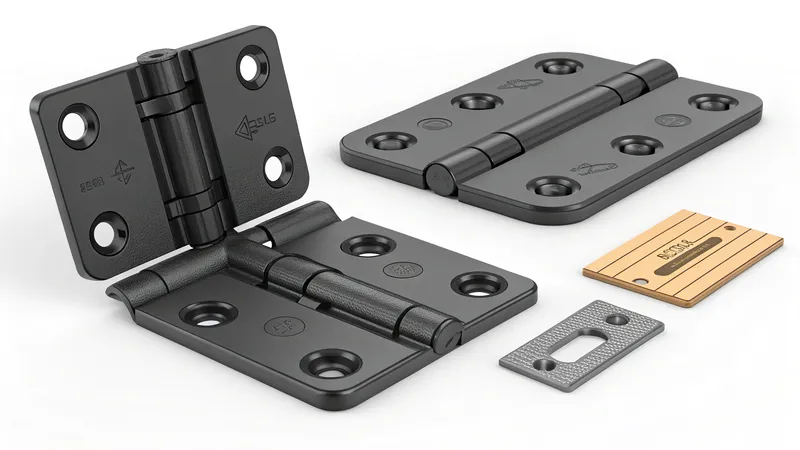
Creating durable living hinges—those flexible plastic connectors that allow repeated bending without breaking—requires selecting the right material. This article explores why polypropylene (PP)1 stands out as the best choice, compares it to alternatives, and provides actionable insights for design and manufacturing.
Polypropylene (PP), particularly homopolymer PP, is the top material for durable living hinges due to its exceptional fatigue resistance2, flexibility3, and cost-effectiveness, making it ideal for applications like packaging and electronics.
Understanding material properties and design considerations is key to leveraging living hinges effectively. Let’s dive into the details.
Polypropylene is the industry standard for living hinges.True
PP’s ability to endure millions of flex cycles makes it the go-to choice across industries like packaging and automotive.
All plastics are equally suitable for living hinges.False
While many plastics can flex, only PP and a few others like PE offer the durability needed for repeated use.
- 1. What Are Living Hinges and Why Do They Matter?
- 2. What Are the Common Materials for Living Hinges?
- 3. What Are the Steps to Create a Durable Living Hinge?
- 4. What Are the Key Factors for Durability?
- 5. What Are the Applications of Living Hinges?
- 6. How Do Living Hinges Compare to Alternatives?
- 7. Conclusion
What Are Living Hinges and Why Do They Matter?
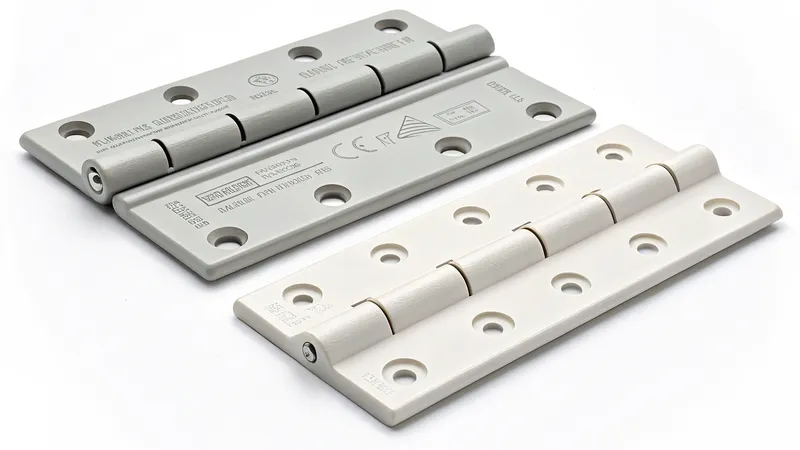
Living hinges4 are thin, flexible sections of plastic molded into a single part, connecting two rigid sections and enabling bending. They’re prized for their simplicity, eliminating the need for separate hinge components.
Living hinges are integral to products requiring lightweight, durable, and cost-effective solutions, such as flip-top bottle caps and clamshell containers.
Key Properties
-
Fatigue Resistance5: Must withstand millions of flex cycles.
-
Flexibility: Allows bending without cracking.
-
Cost-Effectiveness6: Reduces assembly and material costs.
What Are the Common Materials for Living Hinges?
The material choice dictates a living hinge’s durability and performance. Here’s a breakdown of the top contenders.
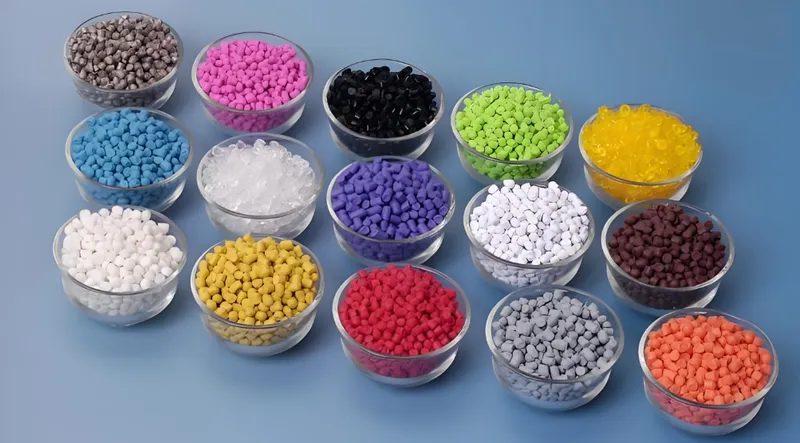
Polypropylene (PP) is the best material for durable living hinges, with homopolymer PP leading due to its high fatigue resistance and ability to flow through thin sections during molding.
| Material | Fatigue Resistance | Flexibility | Common Use | Cost (2022) |
|---|---|---|---|---|
| Homopolymer PP | Excellent | High | Packaging, Electronics | $1.16/lb |
| Polyethylene (PE) | Moderate | Moderate | Limited Applications | $1.10–$1.30/lb |
| ABS/PC/Nylon | Poor for hinges | Low | Specialized Uses | Varies |
Polypropylene (PP)
PP, especially homopolymer PP, excels in living hinge applications. Its high fatigue resistance lets it endure repeated bending—up to millions of cycles—while its elasticity ensures flexibility. It’s also lightweight, chemically resistant, and affordable at roughly $1.16/lb in 2022. Companies like RevPart highlight its superior flow in thin sections during injection molding.
Polyethylene (PE)
PE is a secondary option, offering decent flexibility but lower durability than PP. It’s less common and suited for less demanding applications.
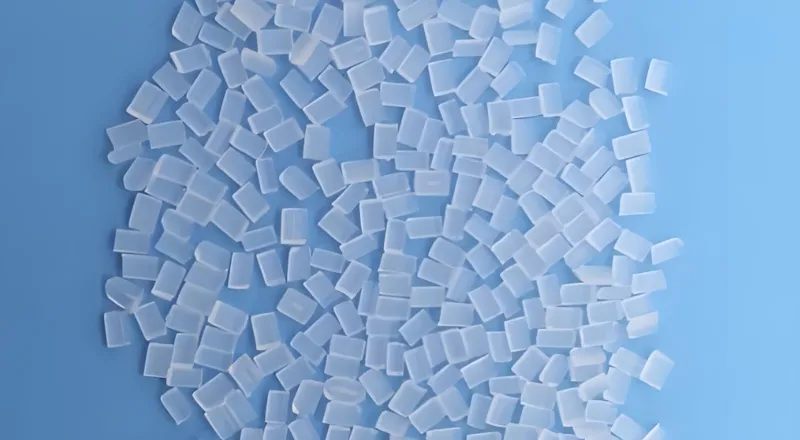
Other Plastics
Materials like ABS, polycarbonate (PC), and nylon are occasionally used but lack the fatigue resistance needed for durable hinges. They may suit niche cases requiring specific properties, like higher temperature resistance.
Homopolymer PP outperforms other PP variants for hinges.True
Its higher rigidity and fatigue resistance make it ideal for long-lasting hinges.
PE is as durable as PP for living hinges.False
PE’s lower fatigue resistance limits its lifespan compared to PP.
What Are the Steps to Create a Durable Living Hinge?
Designing and manufacturing a living hinge involves precise steps, typically via injection molding.
The process for creating durable living hinges includes designing the hinge, selecting PP, molding with proper gate placement, and flexing post-molding to enhance durability.

Design Phase
-
Thickness: Set to 0.007”–0.015” for PP (Protolabs).
-
Corners: Use rounded edges to reduce stress.
-
Gate Placement: Position gates for uniform material flow.
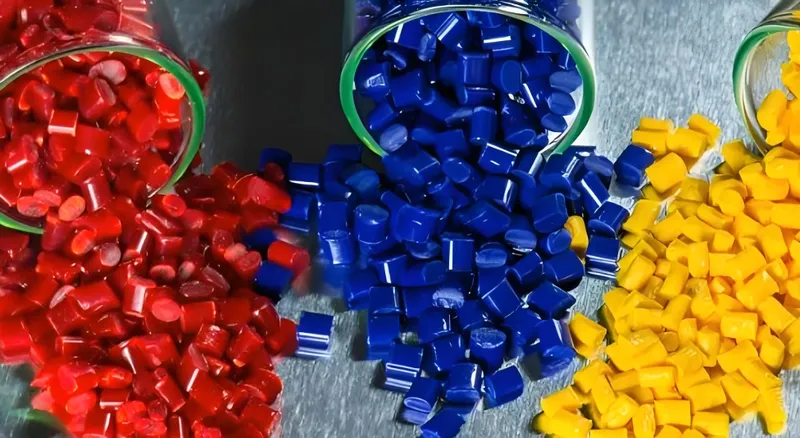
Material Selection
-
Choose homopolymer PP for optimal performance.
-
Avoid fillers in the hinge area to maintain flexibility.
Molding Process
-
Use injection molding for consistency.
-
Control cooling to prevent warping.
Post-Processing
- Perform cold drawing—flexing the hinge while warm—to align molecules and boost durability (Fictiv).
What Are the Key Factors for Durability?
Durability hinges (pun intended) on material, design, and manufacturing precision.
Key factors for durable living hinges include material fatigue resistance, hinge thickness, and environmental considerations like UV exposure.
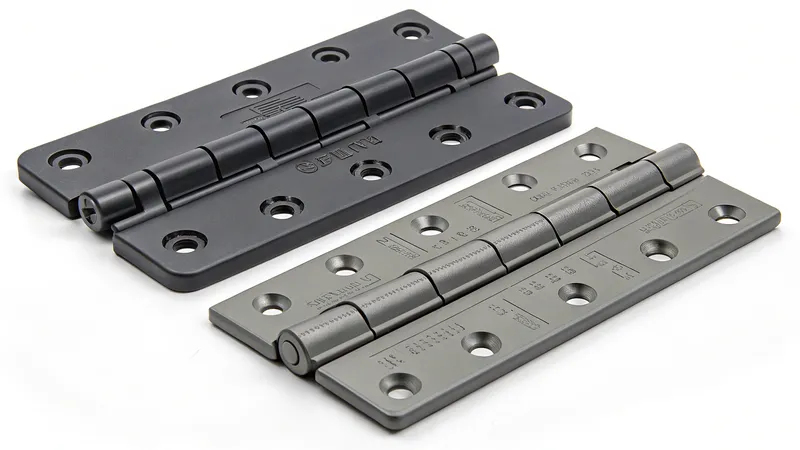
Material Choice
- PP’s Edge: Its molecular structure supports repeated flexing without cracking.
Design Precision
- Thickness: Too thin risks tearing; too thick reduces flexibility.

- Stress Management: Rounded corners and proper gate placement minimize weak points.
Environmental Factors
-
UV Exposure: Add stabilizers for outdoor use.
-
Temperature: PP handles up to 180°F (82°C).
Hinge thickness is critical for durability.True
A thickness of 0.007”–0.015” balances flexibility and strength in PP hinges.
Living hinges are immune to environmental wear.False
UV and chemical exposure can degrade hinges without proper additives.
What Are the Applications of Living Hinges?
Living hinges shine in industries needing lightweight, reliable components.
Living hinges are widely used in packaging7, electronics, automotive, and medical devices for their durability and cost savings8.

Packaging
- Flip-top caps and clamshell containers rely on PP hinges for repeated use (SWC Precision).
Electronics
- Battery compartments and phone cases use hinges for compact, durable designs.
Automotive
- Glove boxes and console lids benefit from lightweight hinges.
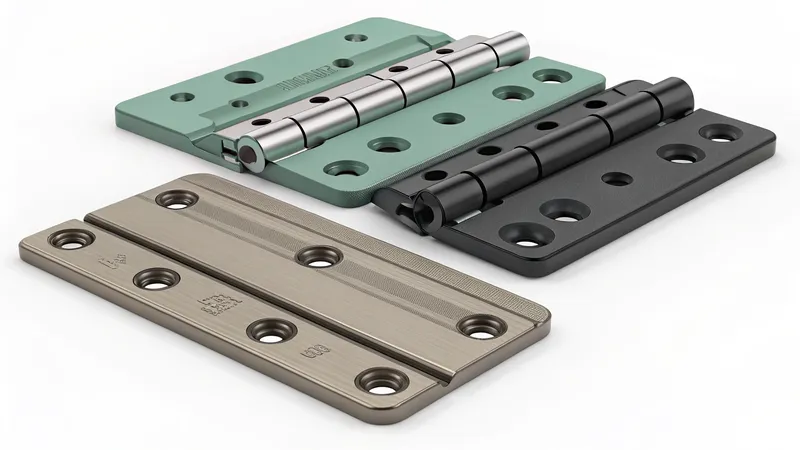
Medical Devices
- Sterile trays and packaging use hinges for functionality and hygiene.
How Do Living Hinges Compare to Alternatives?
Living hinges offer unique advantages over traditional hinges and snap fits.

Living hinges reduce costs and weight compared to traditional hinges, though they’re limited to specific materials like PP.
| Aspect | Living Hinges | Traditional Hinges | Snap Fits |
|---|---|---|---|
| Cost | Low (no assembly) | Higher (parts + labor) | Moderate |
| Durability | High with PP | High with metal | Varies |
| Weight | Very light | Heavier | Light |
| Material Limit | PP dominant | Any | Flexible |
Conclusion
Polypropylene (PP), especially homopolymer PP, is the best material for durable living hinges due to its unmatched fatigue resistance, flexibility, and affordability. It shines in applications from bottle caps to medical trays, supported by injection molding and careful design. While polyethylene (PE) is an option, it falls short in longevity, and other plastics like ABS or nylon rarely compete. Factor in hinge thickness (0.007”–0.015”), environmental conditions, and manufacturing precision to maximize durability.
-
Explore the advantages of polypropylene (PP) in hinge design, including its flexibility and durability, to enhance your projects. ↩
-
Learn about fatigue resistance and its critical role in ensuring the longevity and reliability of living hinges in various applications. ↩
-
Discover why flexibility is essential for living hinges, enabling repeated bending without failure, crucial for many products. ↩
-
Explore this link to understand the versatility and benefits of living hinges in various products. ↩
-
Learn about the importance of fatigue resistance in ensuring the longevity of living hinges in practical applications. ↩
-
Discover how living hinges can save costs in manufacturing and assembly processes, making them a smart choice for businesses. ↩
-
Discover innovative packaging solutions that utilize living hinges, showcasing their importance in modern design and functionality. ↩
-
This resource will provide insights into how durability and cost savings influence material selection, crucial for efficient manufacturing processes. ↩