

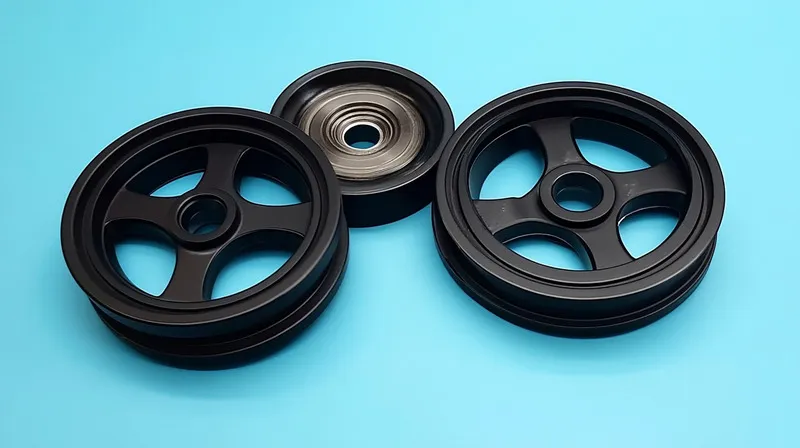
The Restriction of Hazardous Substances (RoHS) directives significantly impact injection molding materials by enforcing strict limits on hazardous substances, driving manufacturers to adopt safer, eco-friendly alternatives1. This shift affects material selection, production costs, and market access, particularly for electronics sold in the EU.
RoHS directives restrict hazardous substances in injection molding materials2, pushing manufacturers to use safer alternatives, which can increase costs but ensure compliance and market access.
Understanding how RoHS directives3 influence injection molding materials is crucial for manufacturers aiming to comply with regulations and meet market demands. Delve deeper to explore how these directives shape material choices and production processes.
RoHS directives only apply to electronics sold in the EU.False
While RoHS originated in the EU, many global markets and companies adopt similar standards to ensure competitiveness and compliance in international trade.
RoHS compliance increases production costs for injection molding.True
Manufacturers often face higher costs due to the need for safer materials and compliance testing, though these costs can be offset by market access and sustainability benefits.
What Are RoHS Directives?
RoHS directives are critical for ensuring that injection molding materials used in electronics are free from hazardous substances4, promoting safer and more sustainable manufacturing practices.

RoHS directives, or Restriction of Hazardous Substances, limit the use of specific hazardous materials in electrical and electronic equipment, directly impacting the materials used in injection molding for electronics.
| Restricted Substance | Maximum Concentration | Notes |
|---|---|---|
| Lead (Pb) | 0.1% | Common in solders and pigments |
| Mercury (Hg) | 0.1% | Found in some switches and relays |
| Cadmium (Cd) | 0.01% | Used in batteries and pigments |
| Hexavalent Chromium (Cr6+) | 0.1% | Used in coatings and paints |
| Polybrominated Biphenyls (PBB) | 0.1% | Flame retardants in plastics |
| Polybrominated Diphenyl Ethers (PBDE) | 0.1% | Flame retardants in plastics |
| Phthalates (DEHP, BBP, DBP, DIBP) | 0.1% | Plasticizers in PVC |
Definition and Purpose
RoHS, officially known as Directive 2011/65/EU5 and updated by 2015/863/EU, is an EU regulation that restricts the use of hazardous substances in electrical and electronic equipment (EEE). It aims to reduce environmental and health risks by limiting substances like lead, mercury, and cadmium. For more details, see the RoHS FAQ.

Relevance to Injection Molding
Injection molding, a process used to create precise plastic components for electronics, must adapt to RoHS by ensuring materials like plastics and additives are free from these restricted substances. Non-compliance can lead to fines or market exclusion, making it essential for manufacturers to align with these standards (Essentra Components).
RoHS directives only affect electronics manufacturers in the EU.False
RoHS has global implications, as many companies outside the EU must comply to access the EU market or meet customer demands for safer products.
Injection molding materials are always RoHS-compliant by default.False
Many traditional materials contain restricted substances, requiring manufacturers to specifically select or develop compliant alternatives.
How Do RoHS Directives Affect Injection Molding?
RoHS directives significantly influence the selection and use of materials in injection molding, pushing manufacturers toward safer, compliant alternatives.
RoHS directives require injection molding materials to be free from restricted substances like lead and cadmium, driving the adoption of eco-friendly plastics and additives.
Material Selection
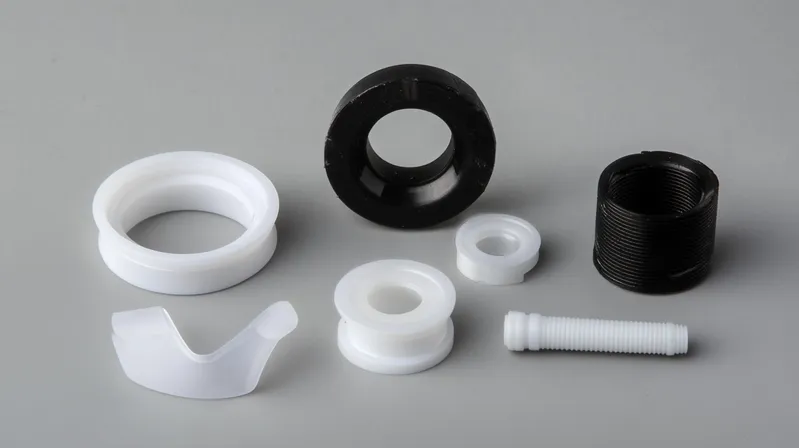
RoHS bans substances commonly found in plastics, such as lead in pigments or phthalates in plasticizers. Manufacturers must switch to alternatives like ABS, polycarbonate (PC), or bio-based plastics like PLA, which meet RoHS standards while maintaining performance (Moldall Insights).
Production Impacts
Switching to compliant materials can increase costs due to reformulation, testing, and certification. However, it also encourages innovation in sustainable materials, aligning with market trends toward greener products (Essentra Components).
RoHS compliance always leads to higher production costs.False
While initial costs may rise, long-term benefits like market access and reduced waste can offset these expenses.
RoHS directives encourage the use of bio-based plastics in injection molding.True
Bio-based plastics like PLA are inherently RoHS-compliant and offer environmental benefits, making them attractive alternatives.
Why Does RoHS Compliance Matter?
Compliance with RoHS directives is essential for legal, economic, and environmental reasons, particularly in the context of injection molding6 for electronics.
RoHS compliance7 ensures market access, avoids legal penalties8, and enhances sustainability, making it a critical consideration for injection molding manufacturers.
Legal and Market Implications
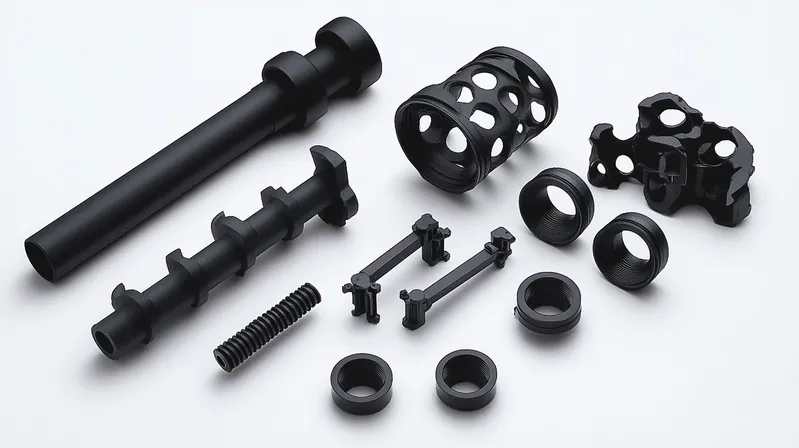
Non-compliance with RoHS can result in fines, product bans, or loss of EU market access. Even outside the EU, many companies adopt RoHS standards to remain competitive globally and meet customer expectations for safe products.
Sustainability Benefits
Using RoHS-compliant materials reduces hazardous waste and appeals to eco-conscious consumers, providing a competitive edge. It also drives the adoption of greener manufacturing practices (Moldall Insights).
RoHS compliance is optional for injection molding manufacturers.False
It’s mandatory for products sold in the EU and often followed globally to meet market demands.
RoHS-compliant materials improve a company’s brand reputation.True
Compliance signals a commitment to safety and sustainability, enhancing customer trust.
What to Consider for Injection Molding Projects?
Ensuring RoHS compliance in injection molding requires careful planning and execution across material selection, supplier management, and process adjustments.
Key considerations for RoHS compliance in injection molding include selecting compliant materials, verifying supplier certifications, and adapting processes to new material properties.

Practical Steps
-
Material Verification: Use datasheets and supplier certifications to confirm RoHS compliance for plastics and additives (Toolcraft Compliance).
-
Supplier Checks: Request and audit RoHS certificates from suppliers to ensure traceability (Elsmar Forum).
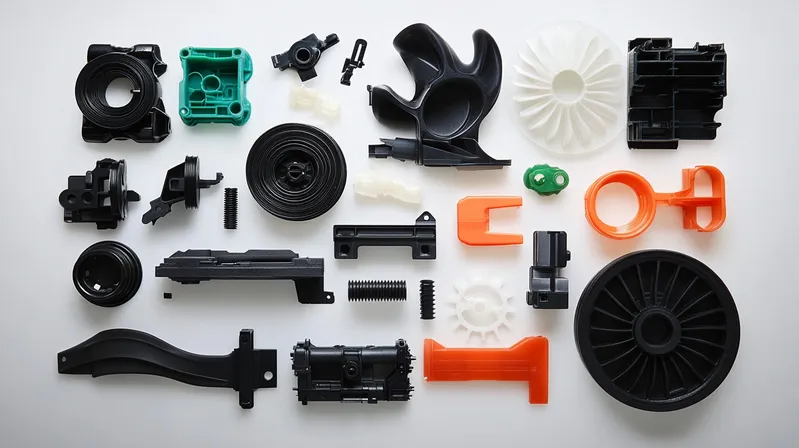
- Process Adaptation: Adjust molding parameters like temperature and pressure for compliant materials, which may differ from traditional ones (Moldall Podcast).
All injection molding materials are interchangeable for RoHS compliance.False
Different materials require specific adjustments to meet both compliance and performance standards.
Supplier certifications are sufficient for ensuring RoHS compliance.False
Periodic testing is recommended to verify compliance beyond certifications.
Conclusion
RoHS directives reshape injection molding by enforcing safer material choices, impacting costs, and driving sustainability. While compliance presents challenges, it offers significant benefits in market access and environmental responsibility. Manufacturers must proactively adapt to thrive in this regulated landscape.
RoHS directives are likely to become stricter in the future.True
Growing environmental concerns may lead to tighter restrictions on substances and limits.
RoHS compliance is irrelevant for manufacturers outside the EU.False
Global supply chains and market demands make RoHS relevant worldwide.
-
Discovering eco-friendly alternatives can guide manufacturers in making sustainable choices while adhering to RoHS regulations. ↩
-
This link will help you understand the specific materials that meet RoHS standards and their implications for production. ↩
-
Exploring this resource will provide insights into how RoHS directives shape manufacturing practices and compliance requirements. ↩
-
Exploring the list of hazardous substances helps manufacturers avoid non-compliance and promote safety in their products. ↩
-
Learning about Directive 2011/65/EU provides insights into regulatory frameworks that shape sustainable electronics manufacturing. ↩
-
Discover how injection molding processes must align with RoHS standards to ensure product safety and market access. This link provides valuable information. ↩
-
Understanding RoHS compliance is crucial for manufacturers to ensure legal adherence and market competitiveness. Explore this link for detailed insights. ↩
-
Learn about the serious legal consequences of failing to comply with RoHS directives, which can impact your business significantly. This resource is essential for manufacturers. ↩