
Injection molding is a widely used manufacturing process for producing precise plastic parts, but it often generates various forms of waste that can increase costs and impact sustainability. Understanding the types and causes of waste in injection molding is essential for manufacturers aiming to improve efficiency and reduce their environmental footprint. This blog explores the different types of waste, their underlying causes, and practical strategies for minimizing them.
Injection molding generates waste such as material scrap1, time inefficiencies, energy overuse2, and defective parts3, often caused by poor mold design, incorrect process parameters, and operator errors.
By delving into the specifics of waste in injection molding, manufacturers can identify areas for improvement and implement solutions that enhance both productivity and sustainability. Explore the types, causes, and reduction strategies to optimize your injection molding processes.
Injection molding always produces waste.False
While waste is common, optimized processes and designs can significantly reduce or eliminate certain types of waste.
Optimizing process parameters can reduce defects in injection molding.True
Fine-tuning parameters like temperature, pressure, and cooling time can minimize defects such as warping or short shots.
What are the Types of Waste in Injection Molding?
Waste in injection molding can take many forms, from excess material to inefficient use of time and energy. Identifying these types is the first step toward reducing them.
The TIMWOOD framework identifies seven types of waste in injection molding: Transportation, Inventory, Motion, Waiting, Overproduction, Overprocessing, and Defects, each contributing to inefficiencies and increased costs.
| Type of Waste | Description | Examples in Injection Molding |
|---|---|---|
| Transportation | Unnecessary movement of materials or parts | Moving raw materials or parts across long distances |
| Inventory | Excess raw materials or finished goods | Stockpiling plastic pellets or finished parts |
| Motion | Unnecessary movement by workers or equipment | Workers manually handling parts |
| Waiting | Idle time due to delays | Machine downtime waiting for mold changes |
| Overproduction | Producing more parts than required | Manufacturing extra parts "just in case" |
| Overprocessing | Performing more work than necessary | Applying tighter tolerances than needed |
| Defects | Parts that fail to meet quality standards | Warped or incomplete parts due to process errors |
Material Waste
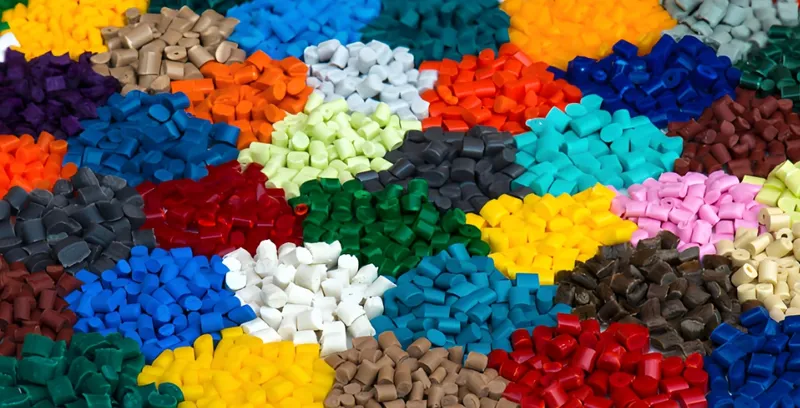
Material waste includes excess plastic from runners, sprues, and defective parts. It’s often caused by poor mold design or machine malfunctions. For instance, traditional cold runner systems generate more scrap compared to hot runner systems, which keep plastic molten and reusable.
Time Waste
Time waste occurs when processes are inefficient, such as excessive machine downtime or slow cycle times. This can result from poor scheduling or lack of automation. Manual part removal, for example, slows production compared to automated systems.
Energy Waste
Energy waste stems from inefficient machinery or suboptimal process settings. Older machines without energy-saving features or improper temperature settings can increase consumption. Retrofitting machines with sensors can help (Energy Efficiency in Manufacturing).
Defects
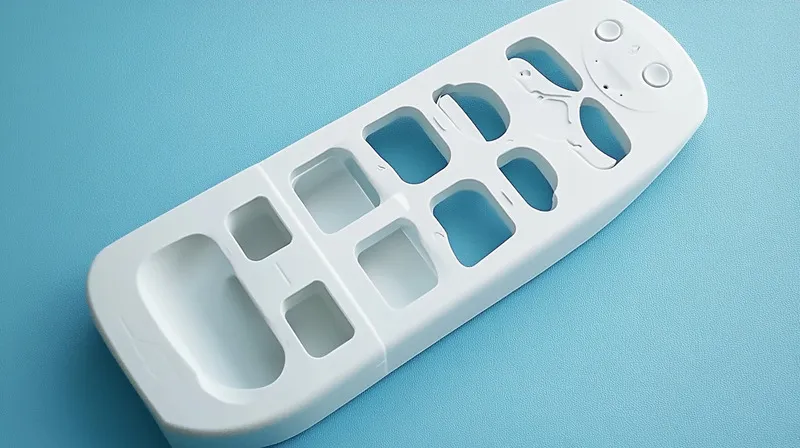
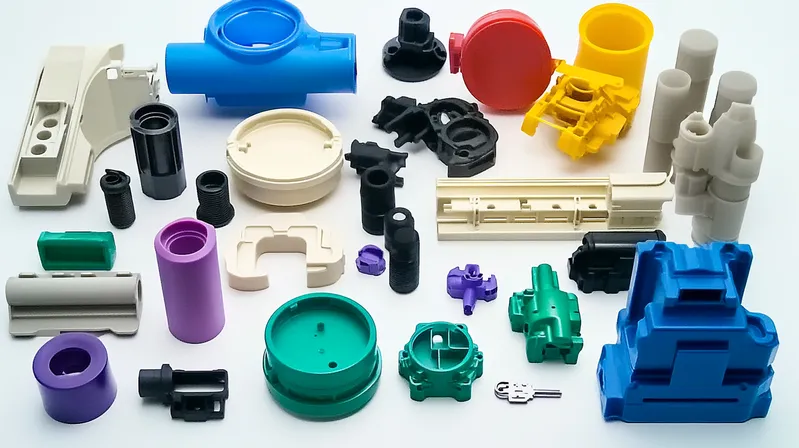
Defective parts, like short shots or warping, are a major waste type, often due to incorrect process parameters or poor mold design. Quality control can minimize these issues (Injection Molding Defects).
Material waste is the only significant type of waste in injection molding.False
While material waste is common, time, energy, and defects also significantly impact efficiency.
What are the Causes of Waste in Injection Molding?
Understanding the root causes of waste is key to finding effective solutions. Waste in injection molding often arises from design flaws, process inefficiencies, or human error.
Common causes of waste in injection molding include poor mold design4, incorrect process parameters5, inefficient facility layouts6, and operator errors, all of which can be mitigated through optimization and training.
Poor Mold Design
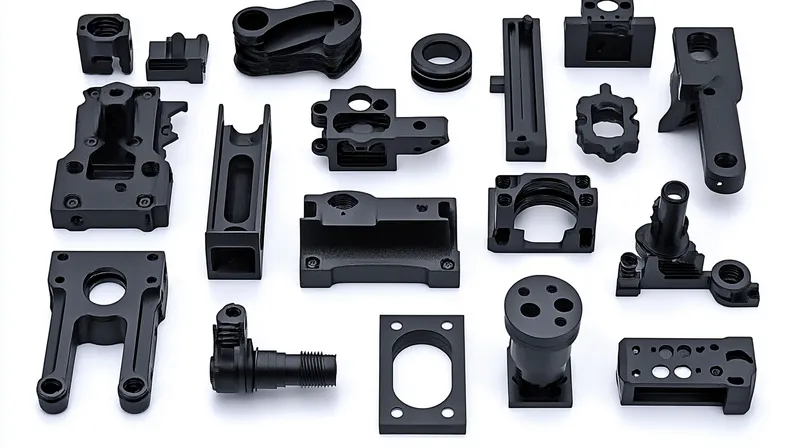
Mold design is critical. Designs with uneven wall thickness or improper gating can lead to defects and material waste. Inadequate cooling channels, for example, may cause warped parts due to uneven cooling.
Incorrect Process Parameters
Wrong settings for temperature, pressure, or cooling time can produce defects like flash or short shots. Operators must calibrate these based on material and part design to avoid waste.

Inefficient Facility Layouts
A poorly organized facility increases transportation and motion waste. For instance, distant raw material storage forces unnecessary movement, reducing efficiency.
Operator Errors
Lack of training can result in mistakes like improper machine setup. Regular training and clear procedures can minimize these errors.
Optimizing mold design can reduce both material and time waste.True
Better mold designs improve part quality and reduce cycle times, minimizing multiple forms of waste.
What are the Strategies to Reduce Waste in Injection Molding?
Reducing waste requires addressing design, process, and operational inefficiencies. These strategies can lead to cost savings and sustainability improvements.
Strategies to reduce waste in injection molding include optimizing mold designs, fine-tuning process parameters, automating tasks, and implementing quality control measures to minimize defects and inefficiencies.
Optimize Mold Design
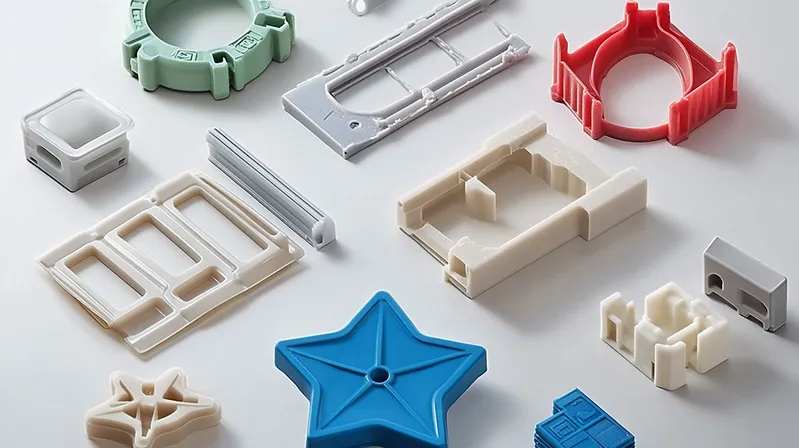
Using tools like mold design software and hot runner systems can reduce material waste and defects.
Fine-Tune Process Parameters
Calibrating temperature, pressure, and cooling times based on specific requirements can lower defects and energy use. Sensors for real-time monitoring enhance this process.

Automate Tasks
Automation, such as robotic arms for part removal, reduces time and motion waste, improving cycle times and reducing human error.
Implement Quality Control
Automated inspection systems, like vision systems, detect defects early, preventing faulty part production.
Implementing quality control measures can reduce defects and rework.True
Early defect detection prevents wasteful production, saving material and time.
Conclusion
Waste in injection molding—material scrap7, time inefficiencies, energy overuse, and defects—impacts costs and sustainability. By addressing causes like poor mold design and incorrect parameters with strategies such as optimization, automation, and quality control8, manufacturers can boost efficiency and reduce their environmental footprint.
-
Understanding material scrap can help manufacturers reduce waste and improve sustainability in their processes. ↩
-
Exploring energy overuse solutions can lead to cost savings and a smaller environmental footprint for manufacturers. ↩
-
Identifying causes of defective parts is crucial for improving quality and efficiency in manufacturing processes. ↩
-
Understanding the impacts of poor mold design can help you improve your processes and reduce waste effectively. ↩
-
Exploring this topic can provide insights into optimizing your injection molding processes and minimizing defects. ↩
-
Learning about facility layout optimization can enhance your operational efficiency and reduce waste significantly. ↩
-
Exploring this resource can provide insights into effective strategies for minimizing waste and enhancing sustainability in manufacturing. ↩
-
Understanding the latest trends in quality control can help manufacturers enhance product quality and reduce defects, leading to better efficiency. ↩