
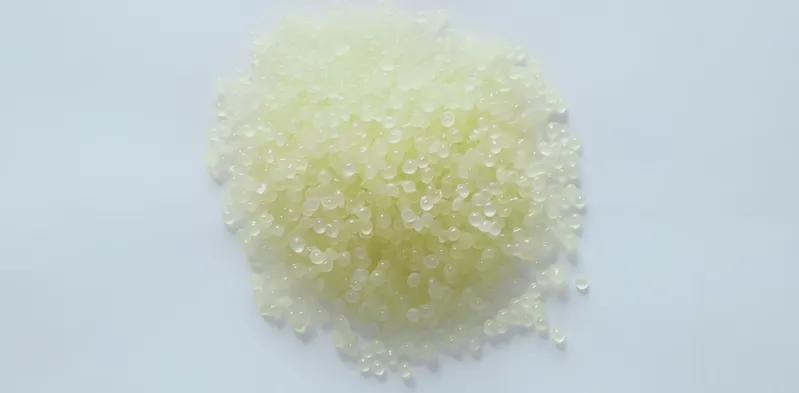
Did you know that the plastic bottle you recycled last week could become part of your next car or favorite toy? Thanks to advances in injection molding1, recycled materials are transforming the manufacturing landscape2, offering a win-win for both the environment and businesses. Injection molding is a widely used manufacturing process where molten plastic is injected into a mold to create precise parts. Traditionally reliant on virgin plastics, this process is now embracing recycled materials to address growing environmental concerns. In this blog post, we explore the key advantages of using recycled materials3 in injection molding, along with the challenges and considerations involved.
What Are the Environmental Benefits of Using Recycled Materials?
One of the most compelling reasons to use recycled materials in injection molding is their positive impact on the environment. By diverting plastic waste from landfills and reducing the need for new raw materials, manufacturers can significantly lower their carbon footprint.
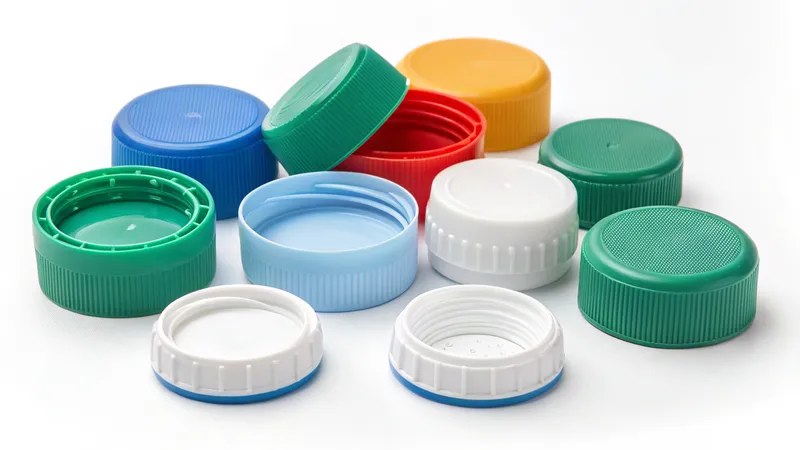
For instance, producing recycled plastics typically requires less energy than creating virgin materials, which helps cut down on greenhouse gas emissions HQC, Inc.. Additionally, using recycled materials conserves natural resources, as it reduces the demand for petroleum-based products used in virgin plastic production.
Using recycled materials in injection molding significantly reduces environmental impact.True
Recycled plastics require less energy to produce and help conserve natural resources, leading to lower carbon emissions and reduced waste.
How Do Recycled Materials Lead to Cost Savings?
Recycled plastics are generally less expensive than virgin materials, making them an attractive option for cost-conscious manufacturers. This cost advantage can be particularly significant in large-scale production, where material expenses constitute a major portion of overall costs Richfields Plastics.
However, it’s important to consider that additional processing or quality control measures might be necessary when using recycled materials, which can affect the overall cost-effectiveness. Despite these potential extra steps, the initial savings on material costs often make recycled plastics a financially viable choice.
Using recycled materials always leads to overall cost savings in injection molding.False
While recycled materials are cheaper, additional processing and quality control can offset some savings, making it important to evaluate the total cost.
What Makes Recycled Materials Versatile in Injection Molding?
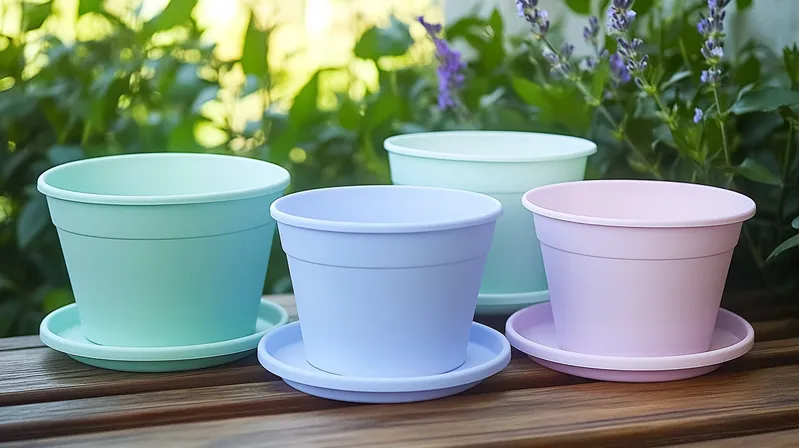
Recycled materials can be used in a wide variety of applications, from automotive parts like bumpers and interior trims to packaging solutions such as food containers. They are also commonly employed in consumer goods like toys and storage containers Wheatley Plastics. The versatility of recycled plastics allows manufacturers to create sustainable products without compromising on functionality. In fact, companies are increasingly using recycled materials in high-performance applications, demonstrating that sustainability and quality can coexist.
What Are the Challenges of Using Recycled Materials in Injection Molding?
While the benefits are clear, using recycled materials in injection molding comes with its own set of challenges. Inconsistent quality is a primary concern, as recycled plastics can vary in strength, purity, and other properties. This variability can impact the performance of the final product, necessitating careful material selection and testing Protoshop Inc.. Contamination is another significant issue; impurities such as chemical residues or metal bits can be present in recycled plastics, potentially damaging equipment or compromising product safety. To mitigate these risks, manufacturers must implement rigorous cleaning and quality control measures.
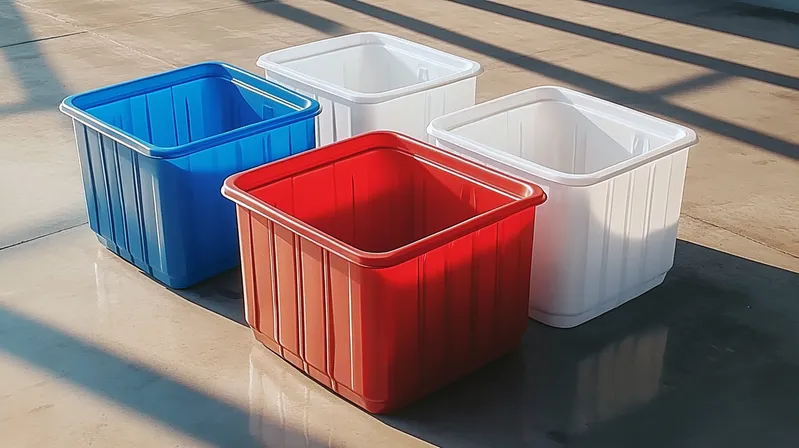
To illustrate the differences between virgin and recycled plastics, consider the following comparison:
| Property | Virgin Plastic4 | Recycled Plastic5 |
|---|---|---|
| Strength | High | Variable |
| Purity | High | Variable |
| Cost | Higher | Lower |
| Environmental Impact6 | Higher | Lower |
While recycled plastics may have variable properties, proper selection and processing can help achieve desired outcomes.
Using recycled materials in injection molding always results in lower quality products.False
Proper selection and processing can yield high-quality products, as seen in automotive and medical applications.
Recycled materials are only suitable for non-critical applications.False
Recycled plastics are used in critical applications like medical devices and structural components with appropriate quality controls.
Conclusion
In summary, the advantages of using recycled materials in injection molding are significant: they help protect the environment, reduce costs, and offer versatility across various industries. While challenges such as inconsistent quality and contamination risks exist, they can be managed with careful planning and execution. As the demand for sustainable practices7 grows, embracing recycled materials in manufacturing is not just a smart choice—it’s a necessary step toward a greener future.
-
Explore this link to understand the process of injection molding and its environmental benefits, especially with recycled materials. ↩
-
Learn how the manufacturing landscape is evolving with the integration of recycled materials, promoting sustainability and innovation. ↩
-
Discover the advantages of recycled materials in manufacturing, which can lead to sustainable practices and reduced waste. ↩
-
Explore the advantages of virgin plastic, including its strength and purity, to understand its applications better. ↩
-
Discover the benefits of recycled plastic, including its lower environmental impact and cost-effectiveness, for sustainable practices. ↩
-
Learn how recycling plastics can significantly lower environmental impact, promoting sustainability and conservation efforts. ↩
-
Discovering effective sustainable practices can guide you in implementing eco-friendly strategies in your manufacturing processes. ↩