
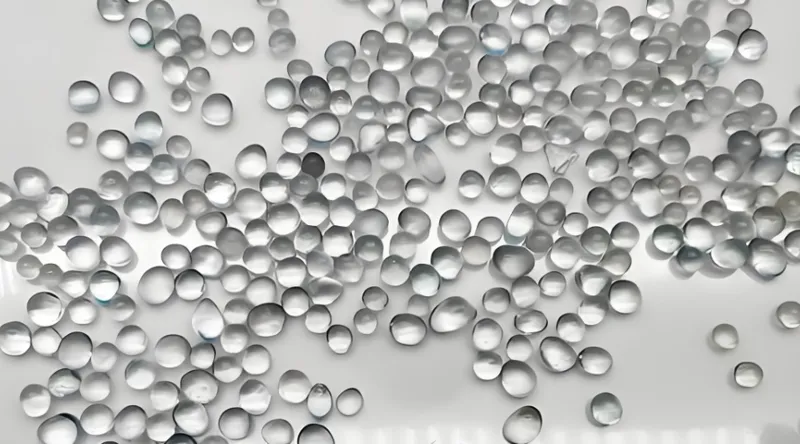
Plastic ribs enhance injection-molding design by adding strength and stiffness to parts while minimizing material usage and preventing defects like warpage or sink marks.
Understanding how to properly design and implement ribs is key to optimizing your injection-molding projects. In this article, we’ll explore the role of plastic ribs, their design guidelines1, applications, and how they compare to other reinforcement methods.
Plastic ribs can reduce material costs in injection molding.True
By adding strength without significantly increasing material usage, ribs can lead to cost savings.
Plastic ribs are only used in automotive applications.False
While common in automotive parts, ribs are also widely used in electronics, consumer goods, and medical devices.
- 1. What Are Plastic Ribs in Injection Molding?
- 2. What Are the Key Design Guidelines for Plastic Ribs?
- 3. What Materials Are Commonly Used with Plastic Ribs?
- 4. What Are the Applications of Plastic Ribs in Injection Molding?
- 5. How Do Plastic Ribs Compare to Other Reinforcement Methods?
- 6. Conclusion
What Are Plastic Ribs in Injection Molding?
Plastic ribs are thin, structural features that extend perpendicularly from the walls or surfaces of injection-molded parts. They are designed to reinforce the part, improve its load-bearing capacity, and prevent common molding defects like warpage or shrinkage.

Plastic ribs are thin reinforcements in injection-molded parts2 that enhance strength, stiffness, and dimensional stability while reducing material usage and preventing defects.
| Aspect | Description |
|---|---|
| Purpose | Reinforce parts, prevent warpage3, improve mold filling, reduce material usage. |
| Design | Typically 50-60% of the wall thickness, with specific height and spacing rules. |
| Materials | Compatible with thermoplastics4 like ABS, polycarbonate, nylon, and more. |
Why Are Ribs Important?
Ribs allow designers to create lightweight yet strong parts by strategically adding material only where needed. This reduces the overall material consumption and helps avoid defects like sink marks, which can occur when walls are too thick. Properly designed ribs also ensure even cooling and better mold filling, leading to higher-quality parts.
Ribs can eliminate the need for thicker walls in plastic parts.True
By adding ribs, designers can maintain strength without increasing wall thickness, which can cause defects.
Ribs are only beneficial for large parts.False
Ribs are useful for parts of all sizes, from small electronic housings to large automotive components.
What Are the Key Design Guidelines for Plastic Ribs?
Designing ribs correctly is crucial to avoid manufacturing defects and ensure the part performs as intended. The following guidelines are essential for optimizing rib design in injection molding.
Key design guidelines for plastic ribs include maintaining rib thickness5 at 50-60% of the wall thickness, limiting height to 2-3 times the wall thickness, and ensuring proper spacing and draft angle6s.
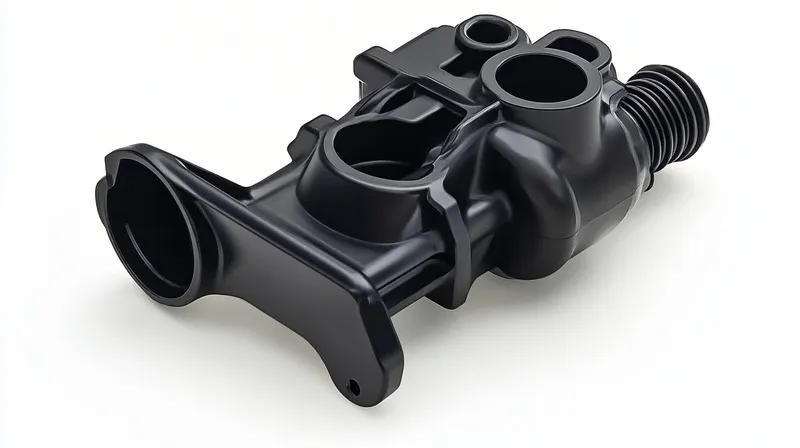
Rib Thickness
The thickness of a rib should typically be 50-60% of the nominal wall thickness to minimize the risk of sink marks on the opposite side of the part. For parts where aesthetics are less critical, slightly thicker ribs (up to 70%) may be acceptable.
Rib Height
Ribs should not exceed 2-3 times the wall thickness in height. Taller ribs can lead to molding issues, such as incomplete filling or breakage during ejection.
Rib Spacing
Ribs should be spaced at least 2 times the wall thickness apart to ensure proper material flow and cooling. Closer spacing can cause thin areas that are difficult to fill or cool evenly.
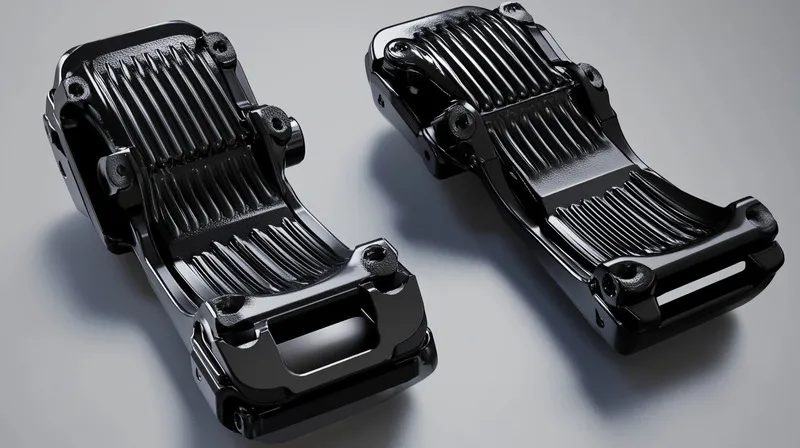
Draft Angle
A draft angle of at least 1° is recommended for ribs to facilitate easy ejection from the mold without damaging the part.
Fillets
Adding fillets (rounded transitions) at the base of the rib where it meets the wall helps reduce stress concentrations and improves the part’s overall strength.
| Design Parameter | Recommended Guideline | Purpose |
|---|---|---|
| Rib Thickness | 50-60% of wall thickness | Minimizes sink marks and material usage. |
| Rib Height | ≤ 2-3 times wall thickness | Ensures moldability and prevents breakage. |
| Rib Spacing | ≥ 2 times wall thickness | Supports material flow and even cooling. |
| Draft Angle | ≥ 1° | Facilitates easy ejection from the mold. |
| Fillets | Radius of 0.5-1.0 times wall thickness | Reduces stress concentrations. |
Ribs should always be as thick as the wall to maximize strength.False
Thicker ribs can cause sink marks and increase material costs without providing proportional strength benefits.
Proper rib design can improve mold filling and reduce cycle times.True
Well-designed ribs help distribute molten plastic evenly, leading to faster and more efficient molding.
What Materials Are Commonly Used with Plastic Ribs?
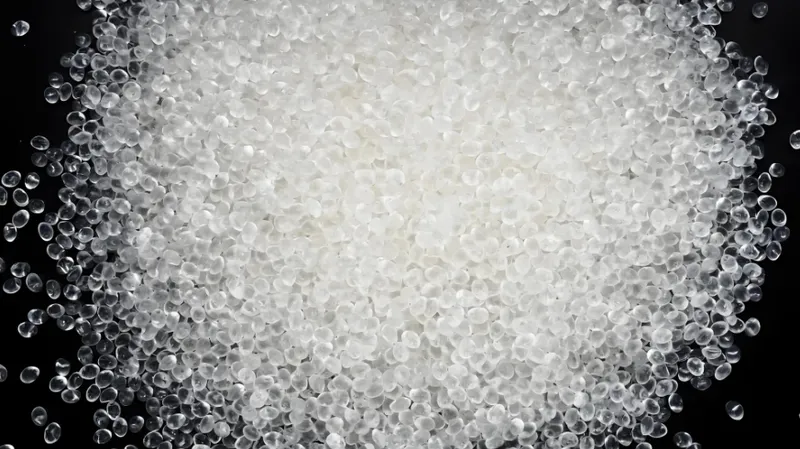
Plastic ribs can be used with a wide range of thermoplastic materials, each offering different properties suited to specific applications.
Common materials for injection-molded parts with ribs include ABS, polycarbonate, nylon, and polypropylene, chosen for their strength, durability, and moldability.
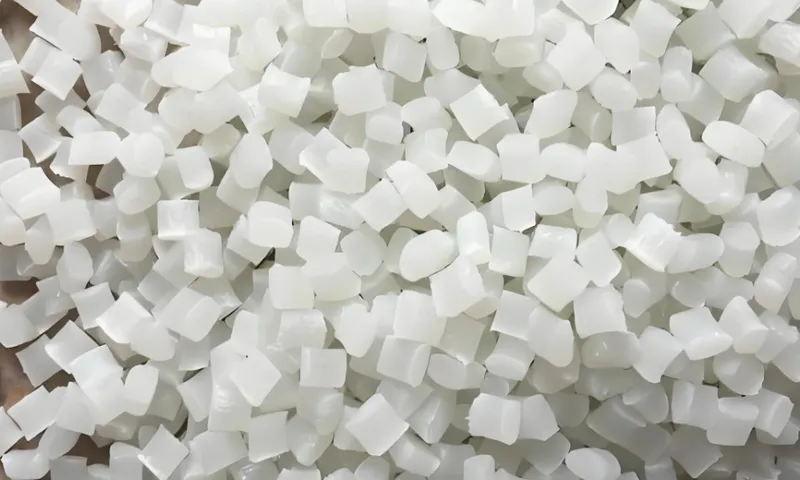
ABS (Acrylonitrile Butadiene Styrene)
ABS is a popular choice for ribbed parts due to its balance of strength, impact resistance, and ease of molding. It’s commonly used in automotive and consumer electronics.
Polycarbonate
Polycarbonate offers high impact resistance and transparency, making it ideal for parts that need to be both strong and visually appealing, such as medical device housings.
Nylon
Nylon is known for its toughness and resistance to wear, making it suitable for parts exposed to mechanical stress, like gears or structural components.
Polypropylene
Polypropylene is lightweight and chemically resistant, often used in packaging and automotive applications where flexibility and durability are required.
All thermoplastics can be used with ribs in injection molding.True
While most thermoplastics are compatible with rib designs, the specific material properties must be considered for optimal performance.
Material choice does not affect rib design guidelines.False
Different materials have varying shrinkage rates and flow characteristics, which can influence rib design parameters.
What Are the Applications of Plastic Ribs in Injection Molding?
Plastic ribs are used across various industries to enhance the performance and manufacturability of injection-molded parts.
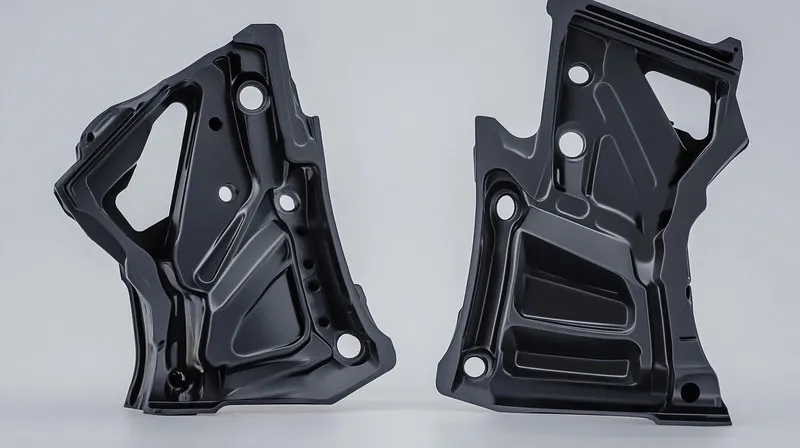
Plastic ribs7 are commonly used in automotive, electronics, consumer goods, and medical devices to reinforce parts like dashboards, phone cases, and surgical tools.
Automotive Industry
In automotive applications8, ribs are used to strengthen interior components like dashboards, door panels, and consoles, ensuring they can withstand impact and vibration.
Electronics
Ribs are essential in electronic housings, such as smartphone cases or laptop enclosures, where they provide rigidity without adding bulk.

Consumer Goods
Products like plastic containers, appliance housings, and toys often incorporate ribs to maintain structural integrity while keeping the design lightweight.
Medical Devices
In medical applications9, ribs are used in device casings and surgical tools to ensure precision, durability, and compliance with strict regulatory standards.
Ribs are only necessary for large, complex parts.False
Even small parts can benefit from ribs to improve strength and prevent warpage.
Ribs can enhance the aesthetic appeal of plastic parts.True
When designed properly, ribs can be hidden or integrated into the part’s design without compromising appearance.
How Do Plastic Ribs Compare to Other Reinforcement Methods?
While plastic ribs are a popular choice for reinforcing injection-molded parts, other methods exist, each with its own advantages and limitations.
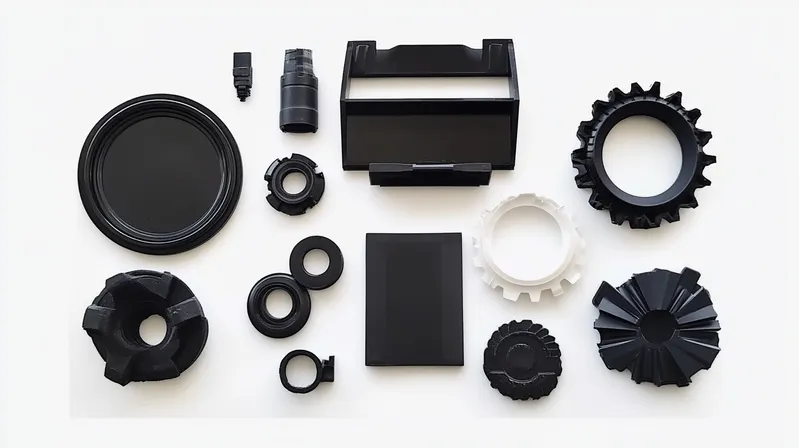
Plastic ribs offer a lightweight, cost-effective reinforcement solution compared to alternatives like thicker walls or metal inserts, which can increase weight and manufacturing complexity.
Thicker Walls
Increasing the wall thickness is a straightforward way to add strength, but it can lead to defects like sink marks, longer cooling times, and higher material costs. Ribs provide similar strength benefits without these drawbacks.
Metal Inserts
Metal inserts can be molded into plastic parts for added strength, but they increase weight, cost, and manufacturing complexity. Ribs are a simpler, more integrated solution.
Gussets
Gussets are another type of reinforcement feature, often used in corners or along edges. While effective, they can be more challenging to mold than ribs and may not distribute stress as evenly.
Ribs are always the best reinforcement method for plastic parts.False
Depending on the application, other methods like gussets or metal inserts may be more suitable.
Ribs can reduce the need for secondary assembly processes.True
By integrating reinforcement into the part design, ribs can eliminate the need for additional fasteners or supports.
Conclusion
Plastic ribs are a powerful tool in injection-molding design, offering a lightweight, cost-effective way to enhance part strength, stiffness, and dimensional stability. By following key design guidelines—such as maintaining rib thickness at 50-60% of the wall thickness and limiting height to 2-3 times the wall thickness—engineers can optimize their designs for both performance and manufacturability.
Whether you’re working in automotive, electronics, or medical devices, incorporating ribs into your injection-molded parts can lead to significant improvements in quality and cost-efficiency. As you plan your next project, consider how plastic ribs can elevate your design.
Properly designed ribs can reduce the risk of molding defects.True
Ribs help distribute stress and promote even cooling, minimizing issues like warpage or sink marks.
Ribs are difficult to implement in injection molding.False
With the right design tools and guidelines, ribs are straightforward to incorporate and can simplify the molding process.
-
Discover comprehensive design guidelines that can enhance your injection molding projects and improve product quality. ↩
-
Explore this link to understand the significance and applications of injection-molded parts in various industries. ↩
-
Learn about the causes of warpage in injection molding and effective prevention strategies to enhance product quality. ↩
-
Discover the properties and uses of thermoplastics, which are crucial for understanding material selection in manufacturing. ↩
-
Understanding rib thickness is vital for preventing defects and ensuring quality in molded parts. Explore this resource for detailed insights. ↩
-
Discover the significance of draft angles in mold design to enhance part ejection and reduce damage during manufacturing. ↩
-
Explore how plastic ribs enhance performance and manufacturability in various industries, providing insights into their applications and advantages. ↩
-
Discover the critical role of plastic ribs in automotive parts, ensuring strength and durability in vehicle interiors. ↩
-
Learn about the importance of plastic ribs in medical devices, focusing on precision and compliance with regulations. ↩