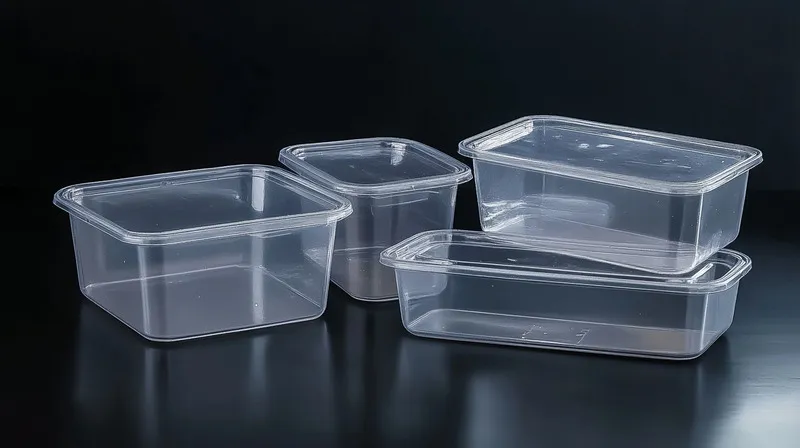
Injection molding, a cornerstone of modern manufacturing, involves injecting molten material into a mold to produce precise, high-quality parts. This process is undergoing a transformation driven by cutting-edge trends such as sustainability1, automation, miniaturization, advanced materials, and on-demand production. These innovations are revolutionizing industries like automotive, medical, and consumer goods by enhancing efficiency, reducing environmental impact, and enabling greater flexibility.
Injection molding is advancing with trends like sustainability, automation, and miniaturization2, enhancing efficiency and eco-friendliness across industries such as automotive and medical devices.
Understanding these trends is essential for businesses aiming to remain competitive in a rapidly evolving market. This guide explores how innovations like bioplastics, AI-driven automation3, and micro molding are shaping the future of injection molding.
Injection molding is becoming more sustainable with the use of bioplastics and recycled materials.True
Bioplastics and recycled plastics reduce environmental impact by minimizing reliance on fossil fuels and promoting circular economies.
Automation in injection molding is limited to large-scale production only.False
Automation, including AI and IoT, is increasingly accessible for small to medium-sized operations, enhancing efficiency across production scales.
- 1. What Are the Key Trends in Injection Molding Technology?
- 2. How Is Sustainability Shaping Injection Molding?
- 3. What Role Does Automation Play in Injection Molding?
- 4. How Is Miniaturization Impacting Injection Molding?
- 5. What Are the Advanced Materials Used in Injection Molding?
- 6. How Does On-Demand Production Benefit Injection Molding?
- 7. Conclusion
What Are the Key Trends in Injection Molding Technology?
Injection molding is at the forefront of manufacturing innovation, with several key trends driving its evolution.
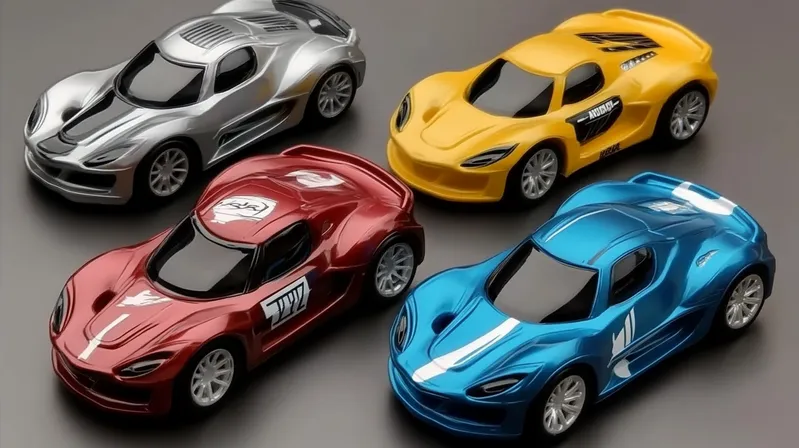
Key trends in injection molding include sustainability, automation, miniaturization, advanced materials, and on-demand production, transforming industries with eco-friendly and efficient solutions.
| Trend | Impact on Industry | Notes |
|---|---|---|
| Sustainability | Reduces environmental impact | Use of bioplastics and recycled materials |
| Automation | Increases efficiency and precision | AI, IoT, and robotics |
| Miniaturization | Enables tiny, precise components | Micro molding for medical and electronics |
| Advanced Materials | Improves part strength and versatility | Fiber-reinforced plastics and composites |
| On-Demand Production | Supports small runs and rapid prototyping | Flexible tooling |
Sustainability in Injection Molding
Sustainability is a growing priority in injection molding, with manufacturers adopting eco-friendly practices4. Bioplastics such as PLA and PHA, along with recycled plastics, are reducing the industry’s carbon footprint. Additionally, all-electric injection molding machines lower energy consumption compared to traditional hydraulic systems.
Automation and Digitalization
Automation, fueled by Industry 4.0 technologies5 like artificial intelligence (AI) and the Internet of Things (IoT), is streamlining injection molding processes. Robotic systems handle repetitive tasks, while real-time monitoring improves precision and cuts labor costs. The industrial robotics market is expected to grow at a CAGR of 7.2% through 2033.

Miniaturization and Micro Molding
Micro injection molding meets the demand for tiny, precise components in industries like medical devices and electronics. This trend enables the production of intricate parts with micron-level accuracy.
Advanced Materials
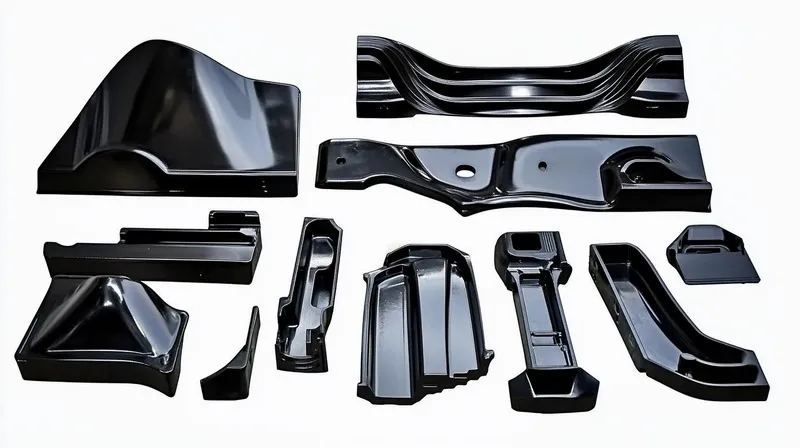
New materials, such as fiber-reinforced plastics and composites, enhance the strength and versatility of molded parts. These advancements are particularly valuable in automotive and aerospace applications.
On-Demand Production
On-demand production leverages flexible tooling to enable cost-effective small-batch runs and rapid prototyping, allowing businesses to iterate designs quickly and efficiently.
Sustainability in injection molding is only about using recycled materials.False
Sustainability also encompasses energy-efficient machinery and eco-friendly materials like bioplastics.
Automation in injection molding reduces the need for skilled labor.True
Automation handles repetitive tasks, allowing skilled workers to focus on complex operations.
How Is Sustainability Shaping Injection Molding?
Sustainability is reshaping injection molding by introducing greener materials and processes.
Sustainability in injection molding focuses on bioplastics6, recycled materials, and energy-efficient machinery7 to reduce environmental impact.
Bioplastics and Recycled Materials
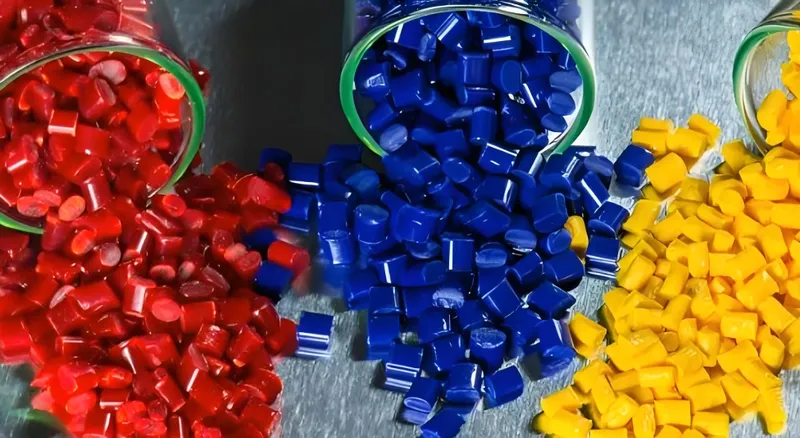
Bioplastics, derived from renewable sources, and recycled plastics are gaining traction. These materials reduce reliance on fossil fuels and support a circular economy8 by repurposing waste.
Energy-Efficient Machinery
All-electric injection molding machines consume less energy than hydraulic counterparts, lowering both costs and emissions. This shift is making production more sustainable across scales.

Design for Sustainability
Manufacturers use simulation tools to design parts that minimize material waste and optimize resource use, further enhancing sustainability.
Bioplastics are as durable as traditional plastics in injection molding.True
Advanced bioplastics offer comparable strength and durability for many applications.
Energy-efficient machinery is too expensive for small manufacturers.False
While initial costs are higher, long-term energy savings make it cost-effective for all scales.
What Role Does Automation Play in Injection Molding?
Automation is transforming injection molding by boosting efficiency and precision.
Automation in injection molding uses AI, IoT, and robotics to streamline production, reduce costs, and improve quality control.

AI and IoT Integration
AI optimizes process parameters, while IoT enables real-time monitoring and predictive maintenance, minimizing downtime and enhancing output quality.
Robotic Systems
Robots perform tasks like part removal and assembly, reducing cycle times and labor costs. The robotics market’s projected growth underscores its rising adoption.
Quality Control
Automated inspection systems detect defects early, ensuring consistent quality across production runs.
Automation eliminates the need for human oversight in injection molding.False
Human expertise remains vital for setup, maintenance, and troubleshooting.
AI in injection molding can predict and prevent defects.True
AI analyzes data to optimize parameters and reduce defects.
How Is Miniaturization Impacting Injection Molding?
Miniaturization is enabling the creation of small, intricate components for advanced applications.
Miniaturization in injection molding, particularly micro molding, produces precise parts for medical and electronics industries.
Micro Injection Molding
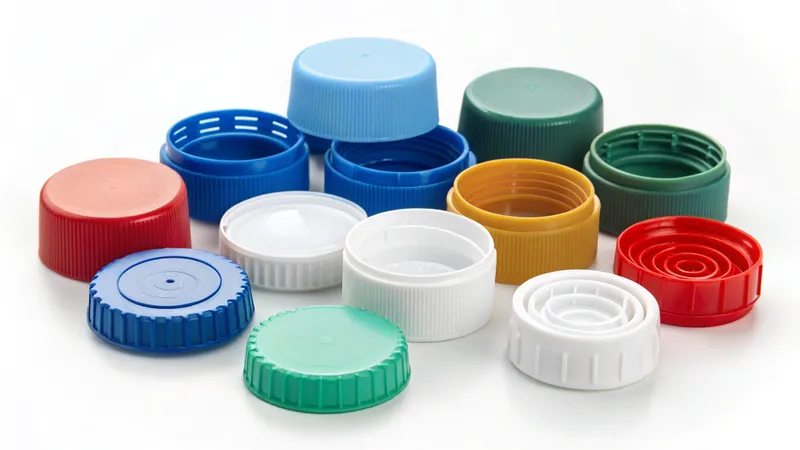
This technique crafts parts with micron-level precision, critical for medical implants and electronic components.
Challenges and Solutions
Micro molding demands advanced machinery and strict quality control. Innovations in tooling and materials address these challenges effectively.
Micro molding is only used in the medical industry.False
It’s also vital in electronics for producing small, precise components.
Miniaturization reduces material waste in production.True
Smaller parts use less material, contributing to sustainability.
What Are the Advanced Materials Used in Injection Molding?
Advanced materials are expanding the capabilities of injection molding.
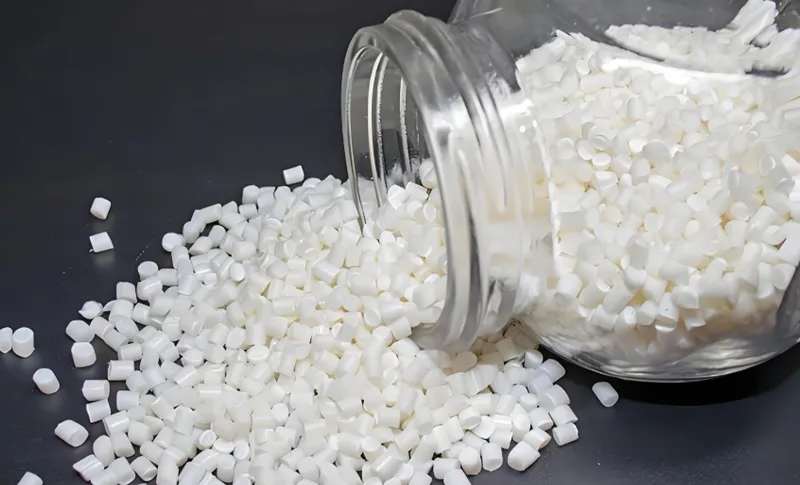
Advanced materials in injection molding include fiber-reinforced plastics, composites, and bioplastics, offering strength, versatility, and sustainability.
Fiber-Reinforced Plastics
These materials provide high strength-to-weight ratios, ideal for demanding applications in automotive and aerospace.
Composites
Composites combine materials to enhance durability and thermal resistance, broadening their use cases.
Bioplastics
Eco-friendly bioplastics are increasingly used in consumer goods and packaging, aligning with sustainability goals.
Advanced materials are more expensive but offer better performance.True
They provide superior strength, durability, and sustainability.
Bioplastics are not suitable for high-temperature applications.False
Some bioplastics, like bio-based PET, can withstand high temperatures.
How Does On-Demand Production Benefit Injection Molding?
On-demand production enhances flexibility in injection molding.
On-demand production in injection molding uses flexible tooling for cost-effective small runs and rapid prototyping.

Flexible Tooling
Using softer or semi-hardened steel tools reduces costs and lead times for small production runs.
Rapid Prototyping
Businesses can test and refine designs quickly, accelerating product development cycles.
On-demand production is only for prototyping.False
It’s also used for small production runs and market testing.
Flexible tooling reduces initial investment costs.True
It allows cost-effective production of small batches.
Conclusion
Injection molding is evolving rapidly with trends like sustainability, automation, miniaturization, advanced materials, and on-demand production. These advancements enable businesses to produce efficient, eco-friendly, and precise components, meeting the demands of modern industries. By embracing bioplastics, AI-driven automation, and flexible tooling, manufacturers can stay ahead in a competitive landscape. Keeping pace with these innovations is key to unlocking the full potential of injection molding.
-
Exploring sustainability trends in injection molding can help businesses reduce their environmental impact and improve efficiency. ↩
-
Learning about miniaturization in injection molding can provide insights into producing smaller, more precise parts for various applications. ↩
-
Understanding automation’s role in injection molding can enhance production efficiency and competitiveness in the market. ↩
-
Explore how eco-friendly practices can enhance sustainability and reduce costs in injection molding. ↩
-
Discover the impact of Industry 4.0 on efficiency and innovation in injection molding processes. ↩
-
Explore the advantages of bioplastics in reducing environmental impact and promoting sustainability in manufacturing. ↩
-
Learn how energy-efficient machinery can significantly lower emissions and costs, contributing to a more sustainable production process. ↩
-
Discover how a circular economy helps in repurposing waste and reducing reliance on fossil fuels, enhancing sustainability efforts. ↩